
The Immigration Grief No One Named
The grief of immigration is real, layered, and often unprocessed for years. A clinical look at what immigrants are actually mourning — and why it doesn't have a name.
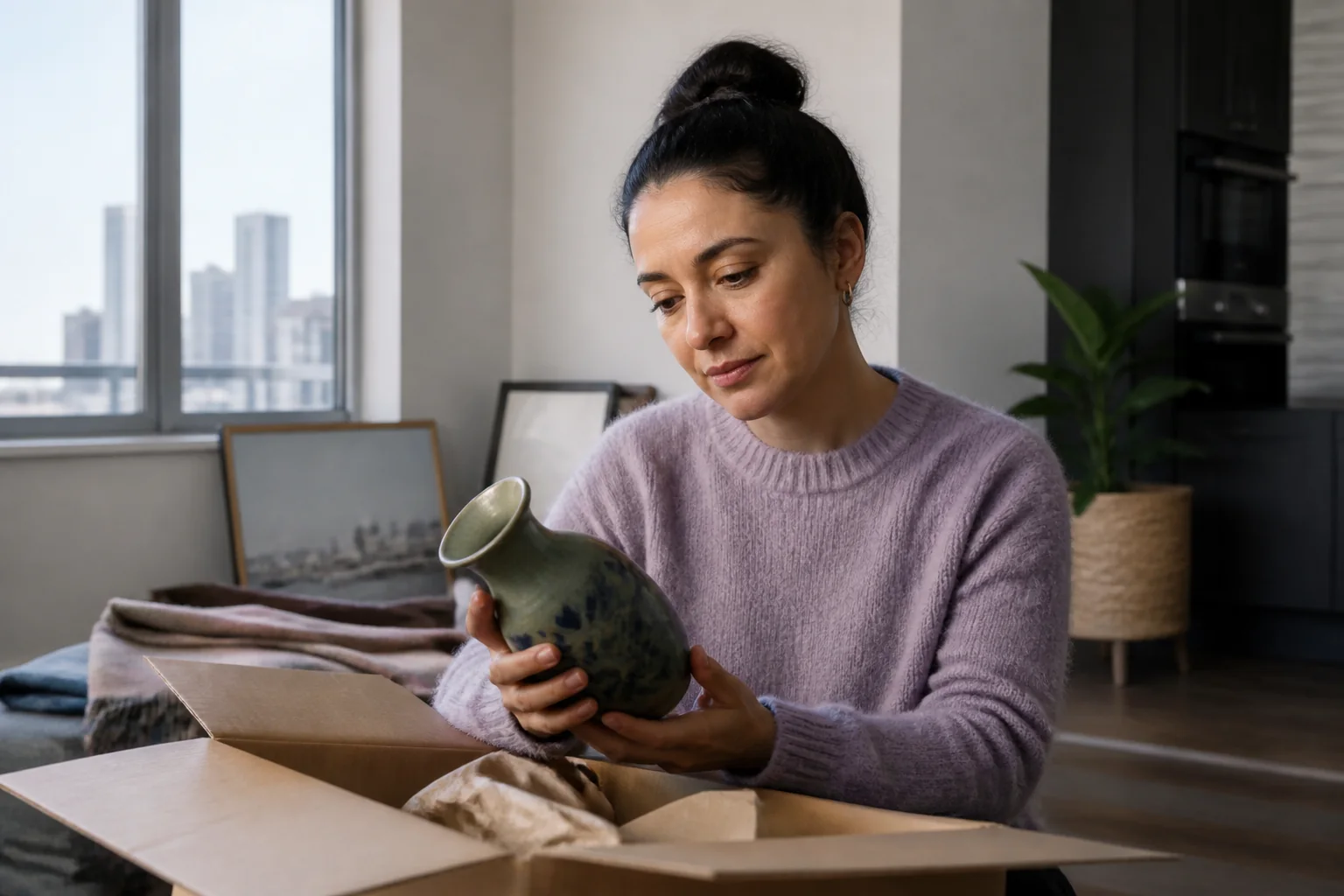
When my Iranian-Canadian clients first sit down with me, almost none of them describe what they are carrying as grief. They describe it as exhaustion. Anxiety. A vague flatness. Something they cannot put into words. They have come because of work stress, or marriage trouble, or a child who is struggling at school, or a body that has stopped sleeping. They have not come for grief, because grief is what you feel when someone dies, and no one has died.
Then, somewhere in the second or third session, the actual material starts to surface. The mother they have not seen in seven years. The Tehran they cannot return to. The professional life that ended at the airport. The friends whose children are now adults they have never met. The version of themselves who existed in Persian and has slowly faded in English. The quiet, persistent ache that has been there since the immigration and has not been called by its right name.
This is immigration grief. It is real, layered, and clinically significant — and most of the immigrants I work with have been carrying it, unnamed, for a decade or more.
What immigration actually severs
We talk about immigration as though it were primarily a geographic move — leaving one country, arriving in another, adjusting to new weather and food and social codes. The geographic move is the easy part. What immigration actually severs is much more complicated.
You leave your country, but you also leave:
- The version of yourself that existed in your home language. Bilingual immigrants often describe their two languages as housing different selves. The Farsi self is connected to
childhood, to family humour, to subtle emotional registers that don't translate. Living mostly in English thins that self over time, sometimes nearly to disappearance.
- Your professional identity, often. The physician who is now studying for re-credentialing. The architect whose Iranian portfolio doesn't transfer. The high school teacher whose certification no longer applies. The dentist starting over at forty-five. Years of work erased at a border.
- The texture of daily life. The bakery on the corner. The morning ritual. The smells of your neighbourhood. The taxi driver who knew your father. Daily life is built from a thousand small recognitions, and they all evaporate at once.
- Your social context. Friendships that took twenty years to build do not transplant. Cousins who were like siblings become voices on WhatsApp. The dense network of relationships that held you becomes thin and elective.
- Your relationship to the land itself. The Caspian. The mountains. The desert. The particular quality of light. For many of my clients, this is the most surprising loss — they did not realize they had a relationship to a landscape until they no longer had access to it.
- Your aging parents, in installments. Not all at once, but in the small daily moments you cannot be present for. The mid-week dinner. The hospital appointment. The mood you can't read across video. Your parents become slowly less available, and you become slowly less their child.
- Your political-emotional self. Your relationship to your home country's history, politics, and current events does not end at the border. It goes with you, and it operates from a position of helplessness you did not previously have.
That is what is severed. None of it is small.
Why it goes unnamed for years
Several reasons immigration grief stays unprocessed:
It doesn't fit the cultural script for grief. The grief script we have in our culture is for death. Immigration grief involves losses that are not deaths, do not have funerals, do not produce sympathy cards or bereavement leave. Without ritual, the grief has nowhere to go.
It's mixed with gratitude. Most immigrants are also genuinely grateful — for safety, for opportunity, for what their children gain. The gratitude is real. It also makes the grief feel illegitimate. Who am I to mourn when I'm so lucky?
It's been silenced by survival. The first years of immigration are usually consumed by practical survival — language, credentialing, job, housing, kids. There is no room for grief. By the time there is room, years have passed, and the grief has gone underground.
It's unwelcome at home. Many immigrants find that family back home does not want to hear about the difficulty. You chose to leave. We are the ones still here. And family in the new country are often not the people you can grieve to either, because they are also surviving.
It's pathologized rather than honoured. When immigration grief surfaces, it usually presents as depression, anxiety, marital strain, or burnout — and gets treated as those conditions. The underlying grief stays unaddressed, and the symptoms recur.
What it looks like clinically
In my practice in West Vancouver, I see immigration grief most often in:
- The mid-career professional who was successful in Iran and is now somewhere lower in the new context, who quietly mourns who they used to be
- The mother whose own mother is aging in Tehran and cannot be brought to Canada, who wakes at 3 a.m. in a panic she cannot quite name
- The husband or wife who has watched their partner change since immigration in ways that are not always for the better
- The bicultural adult, immigrated as a child, who recognizes in midlife that they have been quietly grieving a country they barely remember
- The newcomer in their first three years, depressed in ways they did not expect, told by everyone they should be fine because they made it
- The long-immigrated client in their fifties, suddenly unprocessed, after a parent dies in Iran they could not be with
The presentation varies. The underlying material is similar.
What helps
The work of immigration grief is not to "get over it." Most contemporary grief frameworks have moved past the idea of resolution; we work toward integration. With immigration grief specifically, the goal is to:
Name what was lost. Grief that cannot be named cannot be metabolized. A great deal of the early work is simply listing — out loud, in your own language — what you have actually been mourning. This often takes weeks. Most clients are surprised by how long the list is.
Honour what cannot be retrieved. Some losses are irreversible. The version of you who existed in Tehran in 2008 will not be coming back. The friendships that aged without you cannot be re-aged. Honouring this is not pessimism. It is realism, and it is what allows the grief to move.
Construct adapted rituals. Iranian tradition has rich grief practices — the cheleh (40-day mourning), the seventh-day, the anniversaries, the recitation, the gatherings. Many of these can be adapted for diaspora grieving when the original context is unavailable. Building these rituals deliberately — for losses that traditional rituals weren't designed to mark — is a meaningful piece of healing work.
Connect what was lost to what was gained. Immigration grief, unlike death grief, is paid for an outcome. Naming the gains alongside the losses — without using the gains to silence the losses — allows a more honest accounting.
Make peace with the impossible math. You cannot un-immigrate. You also cannot fully be at home in either country. This is the diaspora condition. Working with it is not solving it; it is finding a way to inhabit it that is sustainable.
Find community that knows. Some grief work happens in therapy. Some happens in community — among other Iranian-Canadians who have walked the same path, who don't need any of this explained, who recognize the particular shape of the grief because they carry their own version.
When to come in
If you are an Iranian-Canadian — recently arrived or long-settled — and you have recognized something in this article that has been quietly carried for years, please consider that this is the work that wants to be done.
Counselling for Iranian-Canadian clients at Baraka is depth-oriented, culturally fluent, and bilingual — available in English and Farsi. In person at our Ambleside office or online across BC.
- Book a free 15-minute consultation → Or call (236) 455-6306 Email contact@barakaocc.com